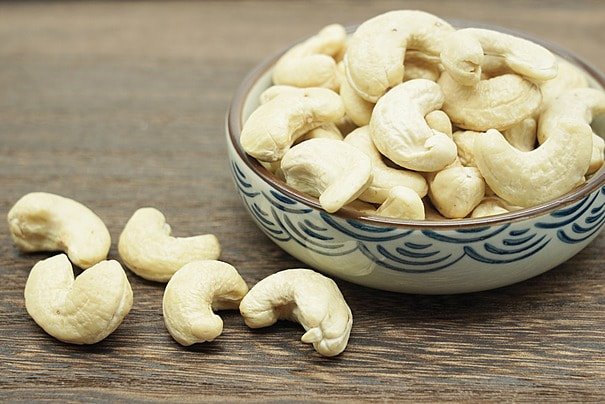
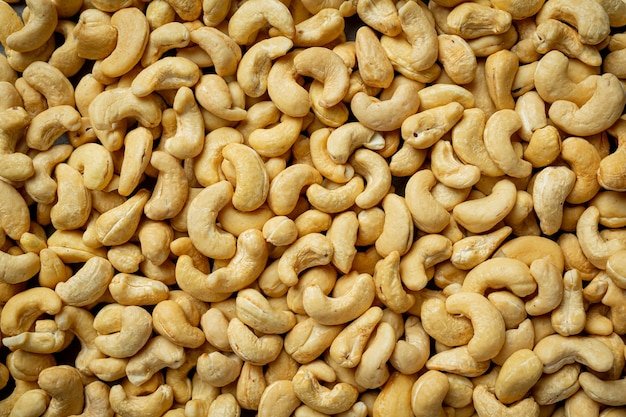
Cashews go through several processing stages before the finished kernels reach wholesalers, retailers, food manufacturers and consumers.
Understanding the basic processing journey can help buyers better understand the product they purchase and the importance of quality, grading, handling and packaging.
The Cashew Processing Journey
Although exact methods can vary by processing facility and region, the overall journey can be understood through several major stages.
Raw Cashew
Cashew nuts are harvested from cashew trees along with the cashew fruit.
Drying & Preparation
The harvested material is prepared and dried according to the processing method being used.
Shell Removal
The hard outer shell is removed to obtain the cashew kernel.
Grading & Packing
Kernels are sorted, graded and prepared for storage, sale or further processing.
1. Harvesting the Cashew
Harvesting
Cashew trees produce cashew apples with the cashew nut attached to the lower portion of the fruit. Once the crop reaches the appropriate stage, the cashew nuts are collected for further processing.
2. Drying and Initial Preparation
Preparation
After harvesting, the raw cashew material goes through preparation and drying steps. Proper handling at this stage is important before the nuts move into further processing.
3. Removing the Hard Shell
Shelling
The cashew kernel is protected by a hard shell. Processing involves removing this shell so that the edible kernel can be recovered.
Shelling requires careful handling because the kernel is valuable and can be damaged during processing.
4. Separating the Kernel
Kernel Recovery
Once the shell is removed, the cashew kernels are separated and prepared for subsequent processing and quality inspection.
5. Peeling and Cleaning
Cleaning
The kernels may undergo cleaning and peeling processes to remove remaining outer skin or unwanted material according to the required product specification.
6. Grading the Cashew Kernels
Grading is an important part of the commercial cashew process. Kernels are categorized according to characteristics such as size, whole-kernel condition and other quality specifications.
| Grade | General Positioning | Typical Buyer Consideration |
|---|---|---|
| W180 | Larger whole kernels | Premium presentation and selected applications |
| W240 | Medium-large whole kernels | Retail, food service and B2B requirements |
| W320 | Common whole-kernel grade | Broad commercial applications |
| W40 | Specification should be confirmed with the supplier | Specific bulk or commercial requirements |
Whole Kernels and Broken Pieces
Not every kernel remains completely whole during processing. Some kernels may break during shelling, peeling, handling or subsequent processing.
Whole kernels and broken pieces can have different commercial applications, so buyers should specify the required product format when placing an order.
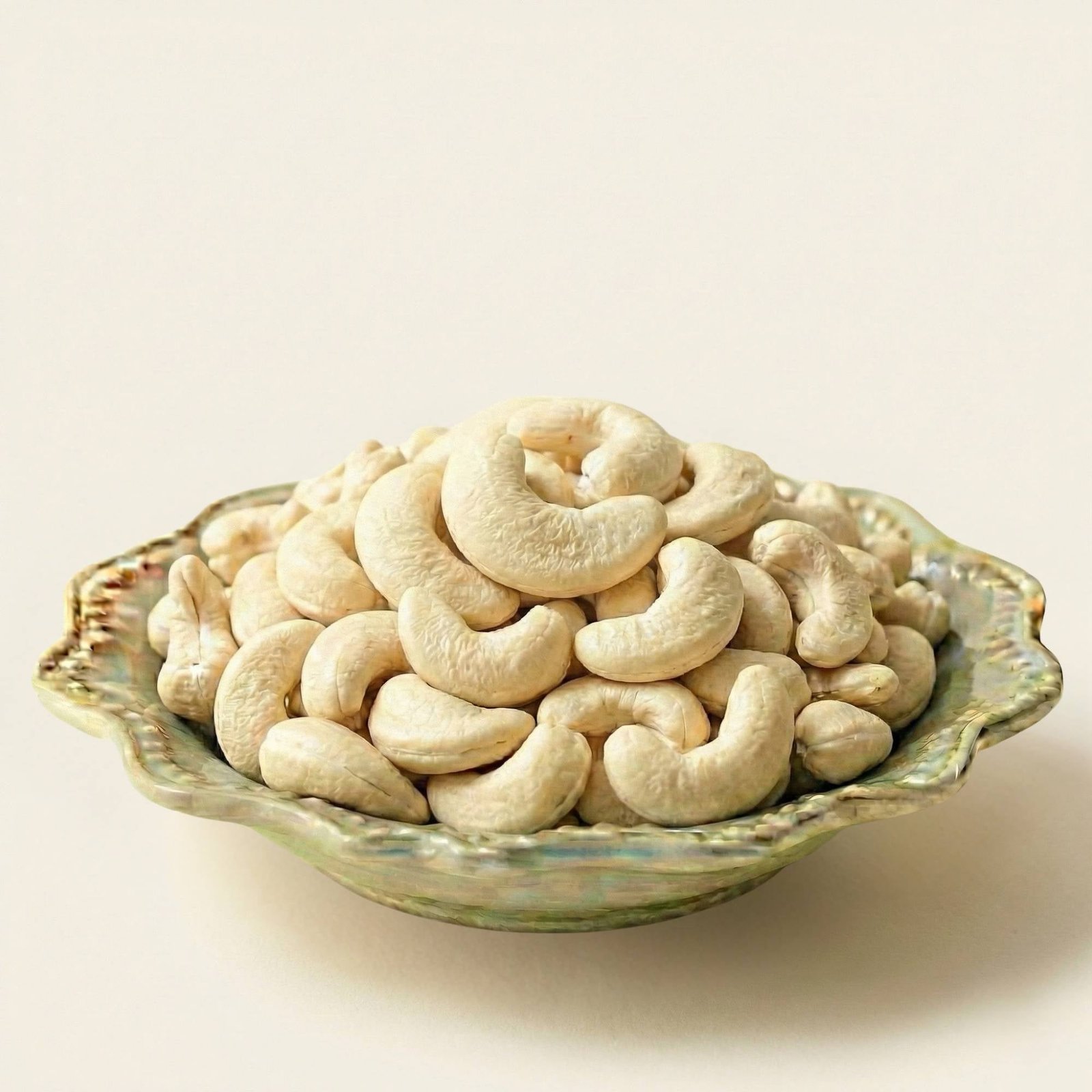
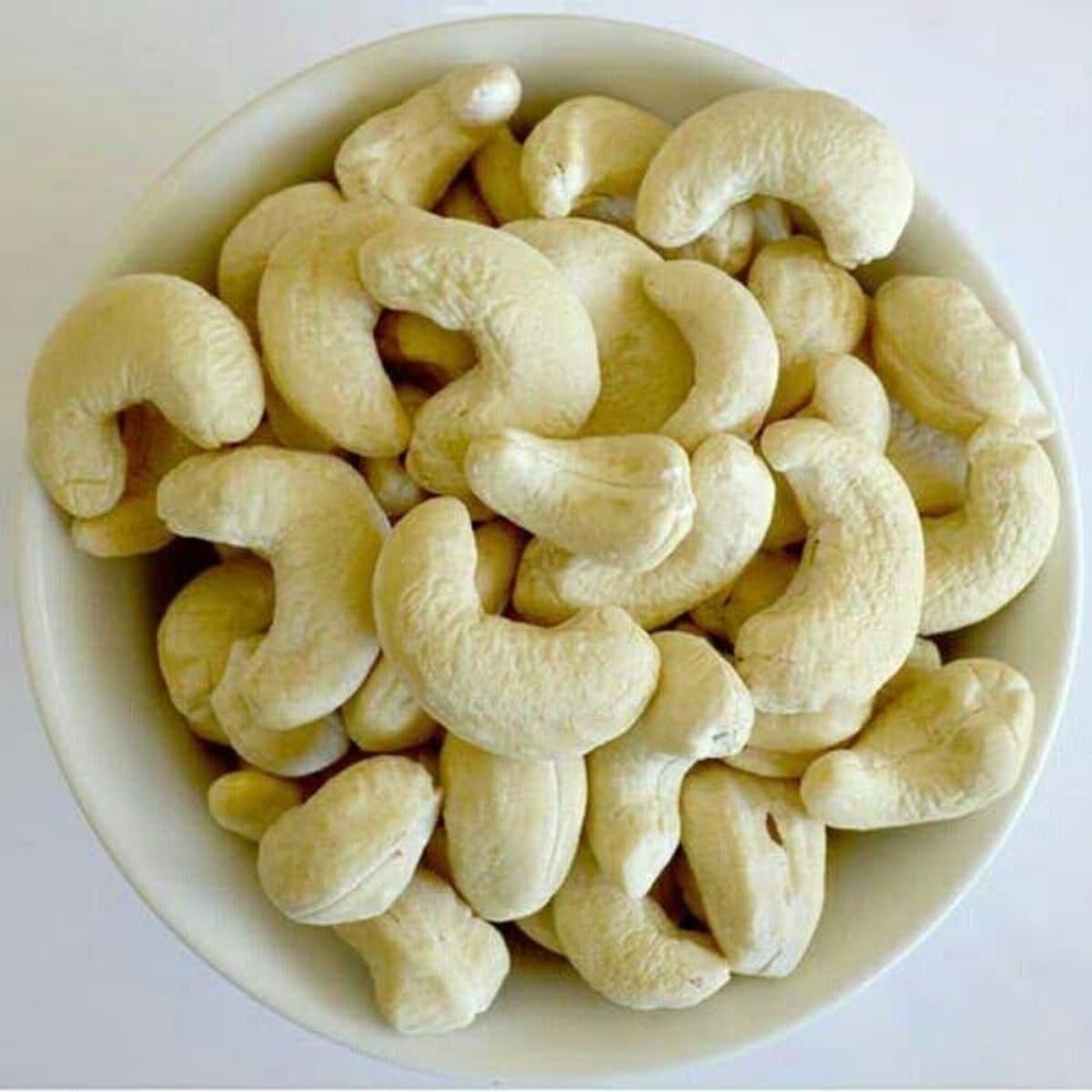
Whole Kernels
Often selected when visual appearance and whole-kernel presentation are important.
Broken Kernels
Can be used in food manufacturing, bakery products, sweets and other applications where whole-kernel presentation is less important.
Why Quality Control Matters
Quality control helps ensure that the finished product meets the required specification before it reaches the buyer.
Important Quality Considerations
- Kernel appearance
- Size and grade
- Whole versus broken kernels
- Cleanliness
- Packaging condition
- Storage and handling
- Buyer-specific product requirements
What Happens When Cashews Are Roasted?
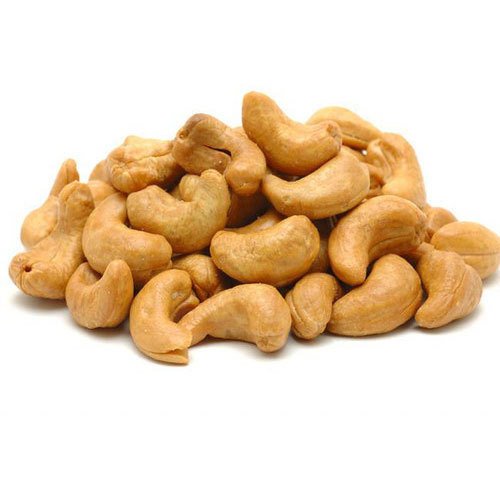
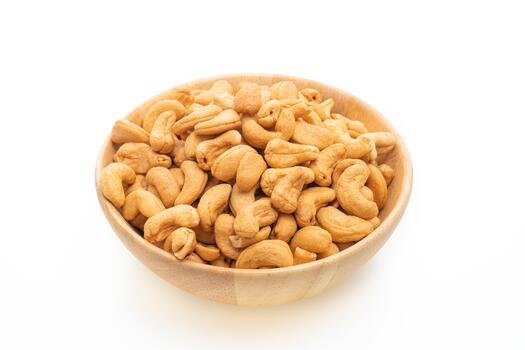
Some cashew kernels are sold as raw-style products while others are further processed into roasted or flavoured snack products.
Roasting changes the flavour and texture of the kernels and can be followed by seasoning depending on the final product.
View Roasted CashewsPackaging the Finished Cashews
Once the kernels have been processed and graded, they can be prepared for storage, wholesale distribution, retail or export.
Packaging requirements can vary according to the product, quantity, destination and commercial agreement between the buyer and supplier.
Retail
Smaller consumer-oriented packaging designed for direct sale.
Wholesale
Larger commercial quantities intended for distributors, retailers or food-service businesses.
Export
Packaging and documentation should be agreed according to the destination market and applicable requirements.
Further Processing
Kernels can be supplied to businesses that use cashews as an ingredient in other food products.
What Should Cashew Buyers Ask the Supplier?
- What exact cashew grade is available?
- Are the kernels whole or broken?
- What is the product specification?
- What packaging is available?
- What quantity is available?
- What is the expected delivery timeline?
- Can the supplier provide product information or samples?
- What documentation is available for export orders?
Indian Cashews From ExportBite
ExportBite offers Indian cashew products for wholesale, bulk and export-oriented requirements.
The current range includes W320, W240, W180, W40, roasted and roasted masala cashews. Buyers should confirm current availability, pricing and commercial terms directly before placing an order.
Explore Cashew Products Contact ExportBiteFrequently Asked Questions
Looking for Premium Indian Cashews?
Explore ExportBite’s cashew range for wholesale, bulk and export requirements.
View Cashews Send Enquiry