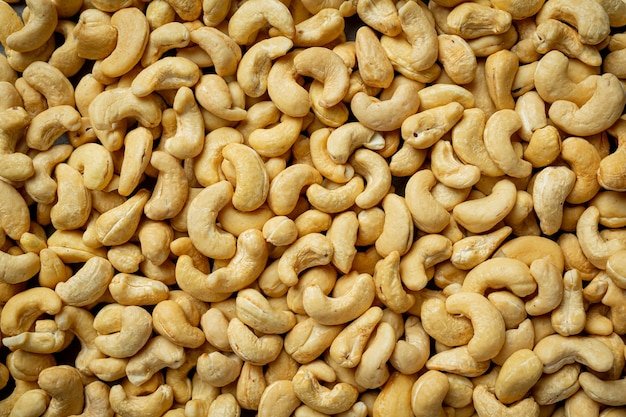
indian cashews

indian cashews

How Cashew Nuts Are Processed From Raw Cashew to Finished Product

INDIAN CASHEW GUIDE How Cashew Nuts Are Processed From Raw Cashew to Finished Product A simple guide to the major stages involved in turning harvested cashew nuts into finished cashew kernels. Cashews go through several processing stages before the finished kernels reach wholesalers, retailers, food manufacturers and consumers. Understanding the basic processing journey can help buyers better understand the product they purchase and the importance of quality, grading, handling and packaging. The Cashew Processing Journey Although exact methods can vary by processing facility and region, the overall journey can be understood through several major stages. Raw Cashew Cashew nuts are harvested from cashew trees along with the cashew fruit. Drying & Preparation The harvested material is prepared and dried according to the processing method being used. Shell Removal The hard outer shell is removed to obtain the cashew kernel. Grading & Packing Kernels are sorted, graded and prepared for storage, sale or further processing. 1. Harvesting the Cashew 1 Harvesting Cashew trees produce cashew apples with the cashew nut attached to the lower portion of the fruit. Once the crop reaches the appropriate stage, the cashew nuts are collected for further processing. 2. Drying and Initial Preparation 2 Preparation After harvesting, the raw cashew material goes through preparation and drying steps. Proper handling at this stage is important before the nuts move into further processing. 3. Removing the Hard Shell 3 Shelling The cashew kernel is protected by a hard shell. Processing involves removing this shell so that the edible kernel can be recovered. Shelling requires careful handling because the kernel is valuable and can be damaged during processing. 4. Separating the Kernel 4 Kernel Recovery Once the shell is removed, the cashew kernels are separated and prepared for subsequent processing and quality inspection. 5. Peeling and Cleaning 5 Cleaning The kernels may undergo cleaning and peeling processes to remove remaining outer skin or unwanted material according to the required product specification. 6. Grading the Cashew Kernels Grading is an important part of the commercial cashew process. Kernels are categorized according to characteristics such as size, whole-kernel condition and other quality specifications. Grade General Positioning Typical Buyer Consideration W180 Larger whole kernels Premium presentation and selected applications W240 Medium-large whole kernels Retail, food service and B2B requirements W320 Common whole-kernel grade Broad commercial applications W40 Specification should be confirmed with the supplier Specific bulk or commercial requirements Whole Kernels and Broken Pieces Not every kernel remains completely whole during processing. Some kernels may break during shelling, peeling, handling or subsequent processing. Whole kernels and broken pieces can have different commercial applications, so buyers should specify the required product format when placing an order. Whole Kernels Often selected when visual appearance and whole-kernel presentation are important. Broken Kernels Can be used in food manufacturing, bakery products, sweets and other applications where whole-kernel presentation is less important. Why Quality Control Matters Quality control helps ensure that the finished product meets the required specification before it reaches the buyer. Important Quality Considerations Kernel appearance Size and grade Whole versus broken kernels Cleanliness Packaging condition Storage and handling Buyer-specific product requirements What Happens When Cashews Are Roasted? Some cashew kernels are sold as raw-style products while others are further processed into roasted or flavoured snack products. Roasting changes the flavour and texture of the kernels and can be followed by seasoning depending on the final product. View Roasted Cashews Packaging the Finished Cashews Once the kernels have been processed and graded, they can be prepared for storage, wholesale distribution, retail or export. Packaging requirements can vary according to the product, quantity, destination and commercial agreement between the buyer and supplier. Retail Smaller consumer-oriented packaging designed for direct sale. Wholesale Larger commercial quantities intended for distributors, retailers or food-service businesses. Export Packaging and documentation should be agreed according to the destination market and applicable requirements. Further Processing Kernels can be supplied to businesses that use cashews as an ingredient in other food products. What Should Cashew Buyers Ask the Supplier? What exact cashew grade is available? Are the kernels whole or broken? What is the product specification? What packaging is available? What quantity is available? What is the expected delivery timeline? Can the supplier provide product information or samples? What documentation is available for export orders? Indian Cashews From ExportBite ExportBite offers Indian cashew products for wholesale, bulk and export-oriented requirements. The current range includes W320, W240, W180, W40, roasted and roasted masala cashews. Buyers should confirm current availability, pricing and commercial terms directly before placing an order. Explore Cashew Products Contact ExportBite Frequently Asked Questions How are cashews processed? Cashews generally go through stages such as harvesting, drying, shelling, kernel recovery, cleaning, grading and packaging. Exact processing methods can vary by facility. How are cashew kernels separated from the shell? The hard outer shell is removed during processing so that the edible kernel can be recovered. Why are cashews graded? Grading helps categorize kernels according to size, whole-kernel condition and other product specifications important to buyers. What is the difference between W180, W240 and W320? These are commonly used whole-kernel grading terms. In general, lower-number grades represent larger kernels, while the exact product specification should be confirmed with the supplier. Are all cashews roasted? No. Cashews can be supplied in different forms, including raw-style kernels and roasted or flavoured products. Looking for Premium Indian Cashews? Explore ExportBite’s cashew range for wholesale, bulk and export requirements. View Cashews Send Enquiry

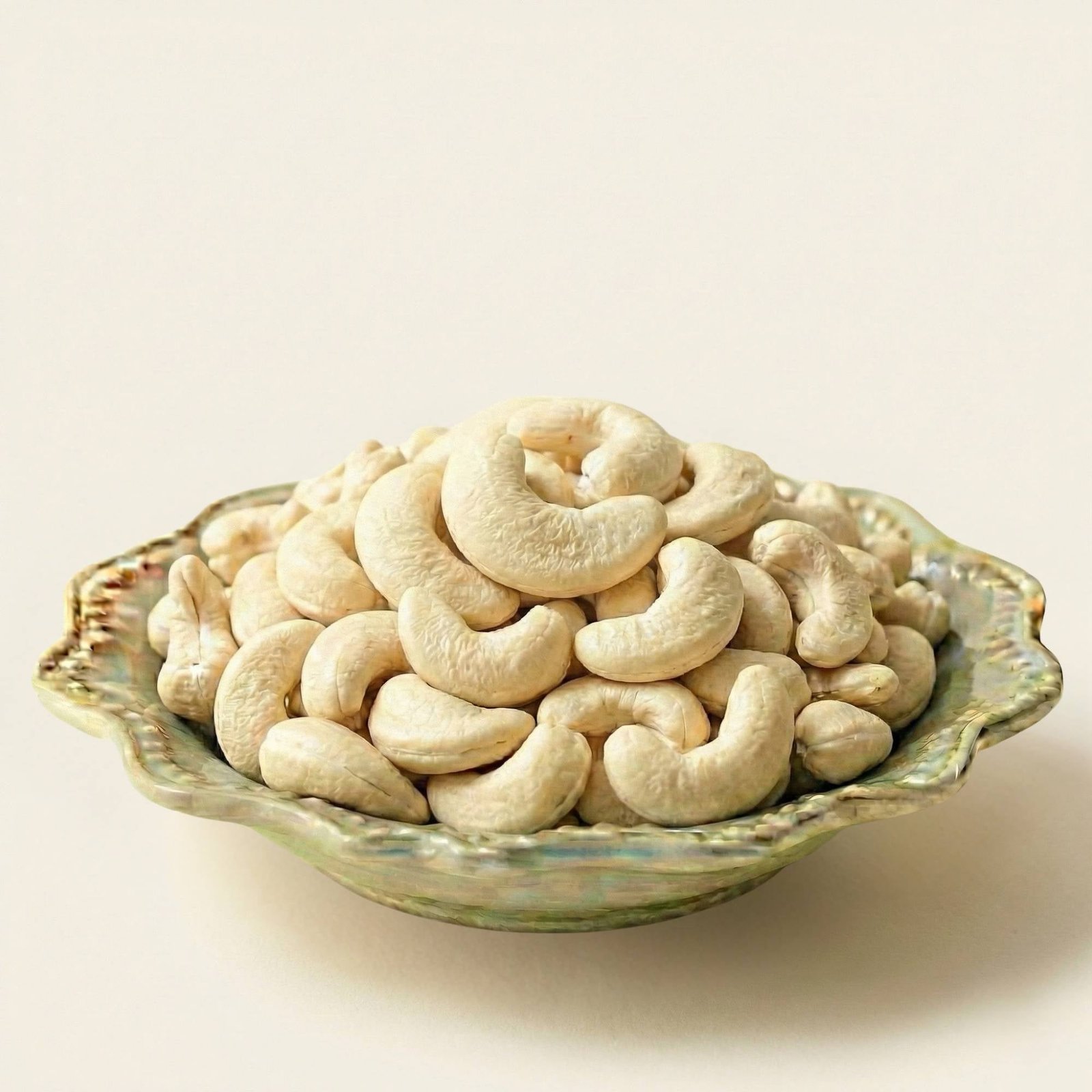
indian cashews

Wholesale Cashews: What Buyers Should Check Before Placing a Bulk Order

WHOLESALE CASHEWS Wholesale Cashews: What Buyers Should Check Before Placing a Bulk Order A practical guide to checking cashew grade, quality, quantity, packaging, supplier terms and delivery before placing a wholesale order. Buying cashews in bulk is different from purchasing a small retail pack. Wholesale buyers need to consider product specifications, quantity, quality, packaging, pricing, delivery and supplier communication before confirming an order. Whether you are a retailer, distributor, food-service business, manufacturer or international buyer, having a clear buying checklist can help make the purchasing process easier and reduce misunderstandings. What Are Wholesale Cashews? Wholesale cashews are cashew products purchased in larger quantities for commercial use, resale, food service, manufacturing or distribution. The exact quantity considered “wholesale” can vary depending on the supplier and buyer. Wholesale buyers generally focus on consistent specifications, commercial pricing, packaging and reliable supply rather than only the retail appearance of a single pack. 1. Check the Cashew Grade The first thing a wholesale buyer should confirm is the exact cashew grade required for the business. Common whole-kernel grades discussed in the Indian cashew trade include W180, W240 and W320. The appropriate grade depends on the buyer’s application, appearance requirements and target market. Grade General Description Possible Commercial Use W180 Larger whole kernels Premium presentation and selected applications W240 Medium-large whole kernels Retail, food service and B2B applications W320 Common whole-kernel grade Broad wholesale and commercial applications W40 Terminology/specification should be confirmed with the supplier Bulk or specific commercial requirements 2. Check Product Quality Grade alone does not describe every aspect of cashew quality. A buyer should discuss the specific quality requirements that are important for the intended application. Appearance Discuss colour, visual appearance and acceptable variations before confirming a bulk order. Kernel Condition Confirm whether the requirement is for whole kernels, pieces or another specific product format. Consistency For repeat wholesale purchases, agree on the expected product specification so future orders can be compared consistently. 3. Confirm the Exact Quantity Never place a wholesale order based only on a rough quantity such as “some cartons” or “bulk quantity.” Confirm the exact required quantity, unit of measurement and packaging configuration with the supplier. Before confirming quantity, check: Total kilograms required Number of cartons or packages Weight per package Expected delivery schedule Availability of the required grade 4. Check Wholesale Packaging Packaging is particularly important for bulk cashew buyers because the product may travel through multiple stages before reaching the final customer. Discuss the packaging format, package size, labelling and any special requirements with the supplier before placing the order. Wholesale Packaging Checklist Package size Packaging material Product labelling Batch or identification details where applicable Destination-specific requirements Storage requirements 5. Do Not Compare Suppliers Only on Price Price is an important part of wholesale purchasing, but the lowest quotation does not necessarily represent the same product specification as another quotation. When comparing suppliers, make sure you are comparing similar grade, quality, quantity, packaging and commercial terms. Compare Why It Matters Grade Different grades can have different commercial positioning. Quality Product specifications may differ between quotations. Quantity Price should be considered against the actual quantity supplied. Packaging Different packaging formats can affect the total commercial cost. Delivery Delivery terms can affect the final landed cost. 6. Check the Supplier Carefully A wholesale buyer should understand who they are purchasing from and whether the supplier can support the required quantity and specification. Product Range Check whether the supplier offers the grades and product formats your business requires. Communication Clear communication about specifications, quantity and delivery can help avoid misunderstandings. Supply Capability Discuss availability and expected lead times before committing to a large or recurring order. 7. Ask About Samples Before a Large Order For a new supplier relationship, buyers may consider requesting a sample or product information before committing to a larger purchase, where practical. A sample can help the buyer evaluate whether the product matches the required appearance and specification. Important: A sample should be compared against the agreed product specification. For commercial orders, confirm the final specification and terms in writing. 8. Confirm Delivery Terms Wholesale purchasing is not complete when the supplier gives a product price. Buyers should also understand how and when the product will be delivered. Expected dispatch time Estimated delivery timeline Delivery location Shipping arrangements Packaging configuration Any applicable additional charges 9. For Export Buyers, Confirm Destination Requirements International buyers may have additional requirements related to import regulations, documentation, packaging and customs. These requirements can vary by destination country. Buyers should confirm the applicable requirements with the relevant authorities, customs professionals and the supplier before shipment. 10. Wholesale Cashew Order Checklist Before You Confirm the Order ā˜‘ Confirm the exact cashew grade ā˜‘ Confirm product quality specification ā˜‘ Confirm total quantity ā˜‘ Confirm packaging ā˜‘ Confirm price and commercial terms ā˜‘ Confirm delivery location ā˜‘ Confirm expected delivery timeline ā˜‘ Confirm documentation if required ā˜‘ Confirm all important terms in writing Questions Every Wholesale Cashew Buyer Should Ask What cashew grade is available? Ask the supplier to specify the exact grade and product specification. What quantity can you supply? Confirm available quantity and whether the supplier can support repeat orders if your business requires regular supply. What packaging is available? Discuss package size, packaging format and any destination-specific requirements. Can I request a sample? For new supplier relationships, ask whether a sample is available before committing to a large order. What are the delivery terms? Confirm dispatch, delivery location, expected timeline and applicable shipping arrangements. Wholesale Indian Cashews From ExportBite ExportBite offers Indian cashews for wholesale, bulk and export-oriented requirements. Buyers can explore available products and contact the team to discuss their requirements. The current product range includes W320, W240, W180, W40, roasted and roasted masala cashews. Availability, pricing and commercial terms should be confirmed directly before placing an order. Explore Cashew Products Send Wholesale Enquiry Explore More Cashew Guides Indian Cashew Grades: W320, W240, W180 & W40 W320 vs W240 Cashews W180 Cashews: Premium Grade Guide Indian Cashew Export Guide Looking

indian cashews

How to Choose the Right Indian Cashew Grade for Your Business

CASHEW BUYING GUIDE How to Choose the Right Indian Cashew Grade for Your Business A practical guide to selecting cashew grades for retail, wholesale, food service and export requirements. Choosing the right Indian cashew grade is an important decision for businesses that buy cashews in bulk. Different grades can serve different applications, and the right choice depends on factors such as appearance, size, budget, packaging and the intended use of the product. Popular whole-kernel grades include W180, W240 and W320. Buyers should always confirm the exact specification with their supplier before placing a commercial order. Why Does Cashew Grade Matter? Cashew grade helps buyers communicate what type and size of kernel they are looking for. For businesses, choosing an appropriate specification can help align the purchased product with its intended application. Appearance Larger whole kernels may be preferred when the visual presentation of the finished product is important. Application Different businesses may have different requirements for retail, hospitality, food manufacturing or gifting. Budget The selected grade should fit the business’s product positioning and overall purchasing budget. Understanding Common Indian Cashew Grades Whole-kernel grades are commonly identified with a W followed by a number. In traditional grading terminology, the number is associated with the approximate number of kernels per pound, so a lower number generally indicates larger kernels. Grade General Size Positioning Possible Applications W180 Larger whole kernels Premium presentation, gifting and selected retail applications W240 Medium-large whole kernels Retail, food service and B2B applications W320 Common whole-kernel grade Broad commercial and food applications Choose the Grade Based on Your Business Instead of choosing a grade simply because it is described as premium, consider what your business actually needs. For Retail Brands If you sell cashews directly to consumers, appearance, consistency, packaging and product positioning may be important considerations. For Wholesale Wholesale buyers may focus more on quantity, consistent specification, commercial pricing and reliable supply. For Export Export buyers should clearly define grade, quality, packaging, quantity, destination and other commercial requirements. W180: When Should You Consider It? W180 is associated with larger whole cashew kernels. Businesses that want a larger visual appearance may consider this grade for selected premium applications. It can be relevant for premium retail packs, gifting products, hospitality and applications where whole-kernel presentation matters. View W180 Cashews W240: When Should You Consider It? W240 is another whole-kernel specification commonly used in the cashew market. It can be considered by businesses looking for a balance between kernel size, presentation and commercial requirements. The final suitability depends on the product, market and purchasing specification. View W240 Cashews W320: When Should You Consider It? W320 is a commonly encountered whole-kernel cashew grade. Its broad commercial use makes it relevant for many food, retail and wholesale applications. Businesses should still confirm the exact quality and specification before placing a bulk order. View W320 Cashews Other Factors Besides Grade Cashew grade is only one part of the buying decision. Businesses should also consider the following factors: Kernel size and grading specification Whole or broken kernel requirements Colour and appearance Quality specifications Packaging format Required quantity Delivery destination Supplier consistency and availability Commercial terms Buyer Tip: Before confirming a large order, clearly write down your required grade, quality specification, quantity, packaging and delivery requirements. This makes communication with suppliers much easier. How to Compare Two Cashew Grades Suppose your business is deciding between W240 and W320. Instead of looking only at the grade name, compare the specifications against your actual business requirement. Question Why It Matters Which kernel size do I need? Helps determine the appropriate grade. Does appearance matter? Important for retail and premium presentation. What quantity do I need? Useful for wholesale planning and quotations. What packaging is required? Different businesses may require different formats. Where will the product be sold? Market and customer expectations can differ. Questions to Ask Your Cashew Supplier What exact grade are you supplying? What is the agreed kernel specification? What quality parameters apply? What quantity is available? What packaging options are available? Can you provide product photographs or samples? What are the delivery terms? Can you provide a quotation for my required quantity? Why Indian Cashews Are Considered by Global Buyers India has a long-established cashew processing and trading industry. For international buyers, sourcing from Indian suppliers can provide access to different cashew specifications and commercial supply options. However, buyers should evaluate each supplier based on the actual product specification, quality requirements, documentation and commercial terms agreed for the transaction. Frequently Asked Questions Which Indian cashew grade is best? There is no single grade that suits every business. The appropriate grade depends on the intended application, required appearance, quantity and commercial requirements. Is W180 bigger than W320? Generally, W180 is associated with larger whole kernels than W320 under traditional whole-kernel grading terminology. Which cashew grade is suitable for retail? W180, W240 or W320 may be considered depending on the retail product, customer expectations, packaging and pricing strategy. Which cashew grade is suitable for wholesale? Wholesale buyers can consider different grades depending on their customers and application. Quantity, consistency and commercial terms are also important. Can I source Indian cashews for export? Yes. Export buyers can discuss their required specification, quantity, packaging and destination with an Indian cashew supplier. Looking for Indian Cashews for Your Business? Explore ExportBite’s cashew range or contact us for wholesale, bulk and export enquiries. View All Cashews Contact ExportBite

indian cashews

W180 Cashews: Why Are They Considered a Premium Grade?

INDIAN CASHEWS W180 Cashews: Why Are They Considered a Premium Grade? Understanding W180 cashews, their size, positioning, uses and sourcing considerations. W180 cashews are a whole-kernel cashew grade commonly associated with large-sized cashew kernels. Because of their appearance and size, W180 is often positioned as a premium grade for buyers looking for visually impressive whole cashews. But what exactly does W180 mean, and why do buyers consider this grade for premium applications? This guide explains the basics in simple terms. What Are W180 Cashews? The letter W generally refers to whole cashew kernels, while the number is associated with the approximate kernel count per pound under traditional grading conventions. In simple terms, a lower number generally indicates larger whole kernels. This is why W180 is associated with larger cashews compared with grades such as W320. Simple way to remember it: W180 → larger whole kernels W240 → medium-large whole kernels W320 → smaller whole kernels compared with W180 and W240 Why Is W180 Considered a Premium Grade? One of the main reasons is the visual size of the kernels. Large, whole cashews can create a premium presentation in retail packs, gift products, hospitality applications and selected food products. Large Appearance W180 kernels are associated with a larger whole-kernel appearance, making them attractive for premium presentations. Whole Kernels The W designation indicates whole kernels, which can be important for buyers who want an attractive finished product. Premium Positioning Larger whole cashews can be positioned for premium retail, gifting, hospitality and selected B2B applications. W180 vs W240 vs W320 Different cashew grades can be suitable for different business requirements. The right choice depends on factors such as appearance, application, packaging format and purchasing requirements. Grade General Positioning Common Considerations W180 Larger whole kernels Premium presentation and selected applications W240 Medium-large whole kernels Retail, food service and general B2B use W320 Common whole-kernel grade Broad range of food and commercial applications Common Uses of W180 Cashews W180 cashews can be considered for applications where kernel size and presentation are important. Premium Retail Packs Large whole kernels can work well in premium consumer-facing packs. Gift Packaging Their larger appearance can be suitable for premium dry-fruit and gifting presentations. Hospitality & Food Service Businesses may consider larger whole kernels when presentation matters. What Should Buyers Check Before Ordering W180 Cashews? Grade alone does not tell the entire story. Buyers should discuss their complete specification with the supplier before placing a bulk order. Required grade and kernel size Whole-kernel requirements Packaging format Required quantity Destination and delivery requirements Quality specifications Commercial terms and quotation For bulk buyers: Always confirm the exact product specification, packaging and commercial terms with the supplier before finalizing an order. W180 Cashews for Wholesale & Export For wholesale and export buyers, W180 can be considered when the intended product requires larger whole cashew kernels. The final suitability depends on the buyer’s market, packaging, application and specification. ExportBite focuses on Indian cashews for wholesale, bulk and export-oriented requirements. Buyers can review available products and contact the team for product and order discussions. Frequently Asked Questions What does W180 mean in cashews? W180 is a whole-kernel cashew grade associated with larger kernels and a traditional count-based grading system. Are W180 cashews larger than W320? Generally, yes. W180 is associated with larger whole kernels than W320. Are W180 cashews suitable for premium products? Their larger whole-kernel appearance can make them suitable for selected premium retail, gifting and food-service applications. Can I buy W180 cashews in bulk? Yes, W180 can be considered for wholesale and bulk requirements. Contact the supplier to discuss quantity, specification and commercial terms. Where can I see ExportBite W180 Cashews? You can view the W180 Cashews product page on ExportBite. Looking for W180 Indian Cashews? Explore the W180 product or contact ExportBite for wholesale, bulk and export enquiries. View W180 Cashews View All Products Contact ExportBite

indian cashews

W320 vs W240 Cashews: What Is the Difference?

“` Indian Cashew Guide W320 vs W240 Cashews: What Is the Difference? A simple guide to understanding W320 and W240 cashews, their general size difference, common applications and what buyers should consider before purchasing. “` ExportBite  ā€¢  Indian Cashews  ā€¢  Cashew Grades When buying Indian cashews, two of the grades buyers commonly encounter are W320 and W240. Both are whole-kernel cashew grades, but they are generally associated with different kernel sizes. Understanding the difference between W320 and W240 can help retailers, wholesalers, food businesses and other buyers select a product that matches their requirements. In simple terms: W240 generally represents larger whole kernels than W320. The grade number is broadly associated with the number of whole kernels per pound. What Is W320 Cashew? W320 is a commonly traded whole cashew grade. The number is associated with the approximate count of whole kernels per pound under the grading system used for these kernels. W320 is widely considered a versatile commercial grade and can be suitable for snacks, retail packs, food service, confectionery and general wholesale requirements. Explore the ExportBite W320 Cashews product page. What Is W240 Cashew? W240 is another whole-kernel cashew grade. Compared with W320, W240 generally represents larger kernels. Its larger presentation can make W240 attractive for premium retail products, gifting, food service and applications where kernel size is an important consideration. View the ExportBite W240 Cashews product page for the current offering. W320 vs W240: The Main Difference “` W320 W320 is generally associated with a higher kernel count per pound and therefore smaller whole kernels compared with W240. It is commonly considered for versatile commercial and wholesale applications. W240 W240 generally represents larger whole kernels compared with W320 and can be considered when size and presentation are more important. It can be suitable for premium retail and food applications. “` “` Feature W320 W240 General kernel size Smaller than W240 Larger than W320 Whole kernels Yes Yes Common positioning Commercial / versatile Premium / larger presentation Possible applications Snacks, retail, food service, wholesale Premium retail, gifting, food service “` Why Does Cashew Size Matter? Kernel size can affect the visual appearance of a finished product. For example, a premium snack or gifting pack may place more emphasis on the appearance of large whole kernels. On the other hand, businesses looking for a versatile commercial product may consider W320 because of its broad range of possible uses. Size is not the only factor that determines product suitability. Buyers should also consider quality specifications, colour, moisture, broken kernels, packaging, quantity and destination requirements. Which Grade Should a Business Choose? For General Wholesale Use Businesses looking for a commonly used whole-kernel grade may consider W320 depending on their target market and product. For Larger Kernel Presentation Buyers who specifically want larger whole kernels may consider W240, particularly for premium presentation. For Retail Packaging Both grades can be considered for retail products. The right selection depends on the product’s positioning, target customer, package size and pricing. For Bulk or Export Bulk and export buyers should discuss the exact specification, quantity, packaging, destination and commercial terms with their supplier before placing an order. W320 and W240 Cashews From ExportBite ExportBite offers selected Indian cashew grades for retail, wholesale, bulk and export enquiries. You can browse the complete ExportBite Cashew Collection or directly explore W320 Cashews and W240 Cashews . Frequently Asked Questions “` Is W240 bigger than W320? Generally, yes. W240 is associated with larger whole kernels than W320 under the commonly used grading system. Is W320 a good cashew grade? W320 is a commonly traded whole-kernel grade with a broad range of potential commercial, retail and food applications. Which is more suitable for premium presentation? Larger whole kernels can be preferred where size and appearance are important. W240 is generally larger than W320. Can W320 and W240 be purchased in bulk? Yes. Bulk and wholesale requirements can be discussed with ExportBite based on grade, quantity, packaging and destination. How can I order W320 or W240 cashews? Visit the ExportBite shop or contact the company through the Contact Us page for product and bulk enquiries. “` “` Looking for W320 or W240 Cashews? Explore the ExportBite range or contact us for wholesale, bulk and export requirements. VIEW W320 VIEW W240 CONTACT US “`

indian cashews

Indian Cashews: A Complete Guide to Cashew Grades W320, W240, W180 & W40

Indian Cashew Guide Indian Cashews: A Complete Guide to W320, W240, W180 & W40 Learn about the most commonly discussed Indian cashew grades, what W320, W240, W180 and W40 mean, and how buyers can choose the right cashew grade for their requirements. W320 Common commercial grade with broad retail, snack and wholesale applications. W240 Larger whole kernels commonly considered for premium applications. W180 Larger premium whole kernels where size and presentation are important. W40 Whole-kernel grade that can be discussed for specific bulk and commercial requirements. Grade General Positioning Common Buyer Consideration W320 Common whole-kernel grade Versatility and commercial use W240 Larger whole-kernel grade Size and premium presentation W180 Large premium whole kernels Premium size and appearance W40 Commercial whole-kernel grade Specific bulk/export requirements Which is larger, W180 or W320? Generally, W180 represents larger whole kernels than W320 because the grade numbering is associated with kernel count per pound. What is W320 cashew? W320 is a commonly traded whole-kernel cashew grade and is widely considered for retail, snack, food service and wholesale uses. What is W240 cashew? W240 is generally a larger whole-kernel grade than W320 and can be considered for applications where kernel size and presentation are important. What is W180 cashew? W180 generally refers to a larger whole-kernel cashew grade and is commonly positioned as a premium-size option. Can I buy cashews in bulk? Yes. ExportBite accepts wholesale, bulk and export enquiries. Buyers can contact the company with their preferred grade, quantity and destination. Looking for Indian Cashews? Explore ExportBite’s cashew range or contact us for wholesale, bulk and export requirements. EXPLORE CASHEWS SEND AN INQUIRY

šŸ‘‹ Cashew products, prices ya export enquiry ke liye chat karein!
ExportBite AI Assistant
ā— Browser AI Assistant
ExportBite AI

Namaste! šŸ‘‹

I'm your ExportBite browser assistant. Products, prices, comparisons, bulk/export, contact and website navigation — all without a backend.

Under ₹1000 Most Expensive Cheapest Large Cashews Roasted Shipping Time MOQ Payment
W320 Cashews
W320 Cashews
₹900
W240 Cashews
W240 Cashews
₹1,020
W180 Cashews
W180 Cashews
₹1,250
W40 Cashews
W40 Cashews
Enquiry
Roasted Cashews
Roasted Cashews
₹950
Roasted Masala Cashews
Roasted Masala
Enquiry
Scroll to Top